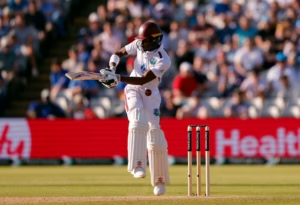
India vs West Indies: Fightback Lights Up Day 4 of Second Test
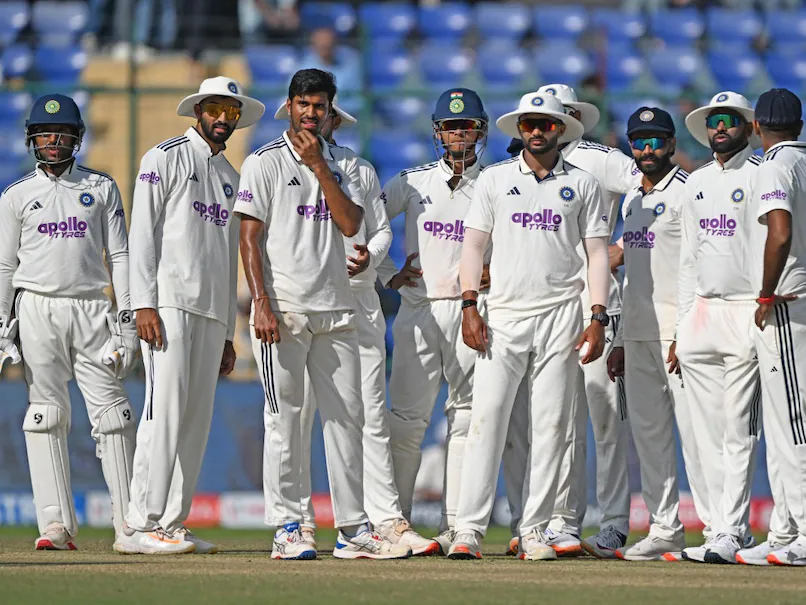
India entered Day 4 of the second Test against the West Indies from a commanding position. Having declared their first innings at 518/5, they had bowled the visitors out for 248, enforcing the follow-on with a lead of 270 runs. Kuldeep Yadav’s sensational five-wicket haul in the first innings had underpinned that dominance.
But cricket is rarely straightforward. West Indies’ second innings delivered a fierce response, led by a resolute partnership between John Campbell and Shai Hope.
Morning Session: The Stand That Changed the Plot
The West Indies resumed at 173/2, still trailing by 97 runs. Campbell and Hope picked up the baton with intent. India turned to Ravindra Jadeja and Jasprit Bumrah to trigger breakthroughs, but it was Campbell’s audacious strokeplay that stole the show. He cut, drove, and lofted with flair, nudging past fifty and inching toward his maiden Test century.
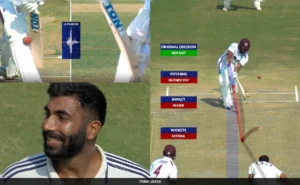
An early LBW review appeal from Bumrah went India’s way, but the third umpire ruled Campbell’s bat struck the ball first — the decision stood, and the review was lost. Undeterred, the West Indian opener continued his assault.
Then came the first major twist: Jadeja struck, dismissing Campbell for 115, ending a 177-run stand. The breakthrough finally opened the floodgates for India to reassert control.
Tactical Shifts, Surface Behavior & Bowling Strategy
Day 4’s pitch proved trickier than many anticipated. The surface, expected to deteriorate rapidly, held up, offering minimal uneven bounce. That made breakthroughs tougher to come by. As a result, India’s attack had to mix styles — pace, offcutters, flight, turn — and deploy chess-like field placements.
Gill’s decision to bring in pace options earlier than spin drew some eyebrows. Meanwhile, pacers like Mohammed Siraj were introduced to upset the rhythm, though Campbell and Hope managed to counteract by staying patient, rotating strike and punishing every loose ball.
Jadeja’s breakthrough was timely and vital, restoring Indian dominance after a long spell of resistance from the West Indian pair.
Significance & Implications
- Survival becomes the theme: The West Indies, staring at a heavy defeat, briefly fought back. Campbell’s century gave them a glimmer of hope, and Hope’s stability frustrated the hosts.
- Bowling under duress: India’s pace and spin attacks were tested on a surface that did not reward aggression. Breaking in required discipline, patience, and tactical nuance.
- Momentum swings: The 177-run partnership threatened India’s march toward a swift finish. But Campbell’s dismissal snapped that momentum and handed back control to the hosts.
- Gill’s captaincy under scrutiny: The use of bowling changes and the timing of field settings will be analyzed. Decisions in such tense moments shape Test match outcomes.
What to Watch Next
- Can India wrap up the West Indies innings quickly and push for a follow-on victory, completing a series sweep?
- Will the Windies manage to pull a lead, forcing India to bat again and making the match interesting?
- Which bowler will step up next for India to claim remaining wickets?
- How will the pitch behave in the remaining hours — continue flat, or offer late assistance?
This Test has morphed from a near-routine finish into a gripping contest. The next few hours will reveal whether India’s dominance holds, or West Indies’ fightback endures.